5 Estate Planning Myths Everyone Believes
These all-too-common misconceptions can steer your estate plans in the wrong direction right from the start. Here’s how to overcome them and tips to build the right plan for your family.


These all-too-common misconceptions can steer your estate plans in the wrong direction right from the start. Here’s how to overcome them and tips to build the right plan for your family.

Unfortunately, due to hidden resentments, siblings still tend to end up in court suing each other and losing great chunks of their inheritance in the process all too frequently.

The possibility that a power of attorney might be rejected may be one reason not to simply pull a form off the internet and hope it will be accepted.

A will itself is a legal document that describes the process of splitting up one’s personal property and possessions among family and loved ones.

When creating an estate plan, it may be necessary to name a trustee to handle your assets.

For most of us, considering the distribution of the property we have accumulated over our lives is a painful reminder of our mortality.

If you decide to leave assets in a trust for your beneficiaries, consider your designation of trustee carefully. The most important person in the trust framework is the trustee, the one responsible for managing trust assets.

What happens when a decedent’s will or trust does not provide for a decedent’s child?
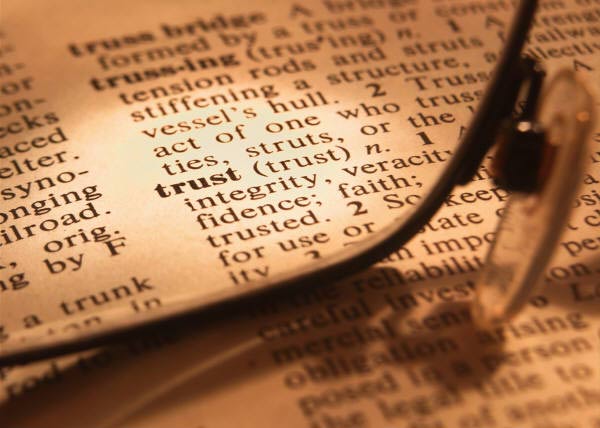
Why wait? A variety of trusts—from SLATs to BDITs, GRATs and more—can help you be proactive in protecting your wealth.